


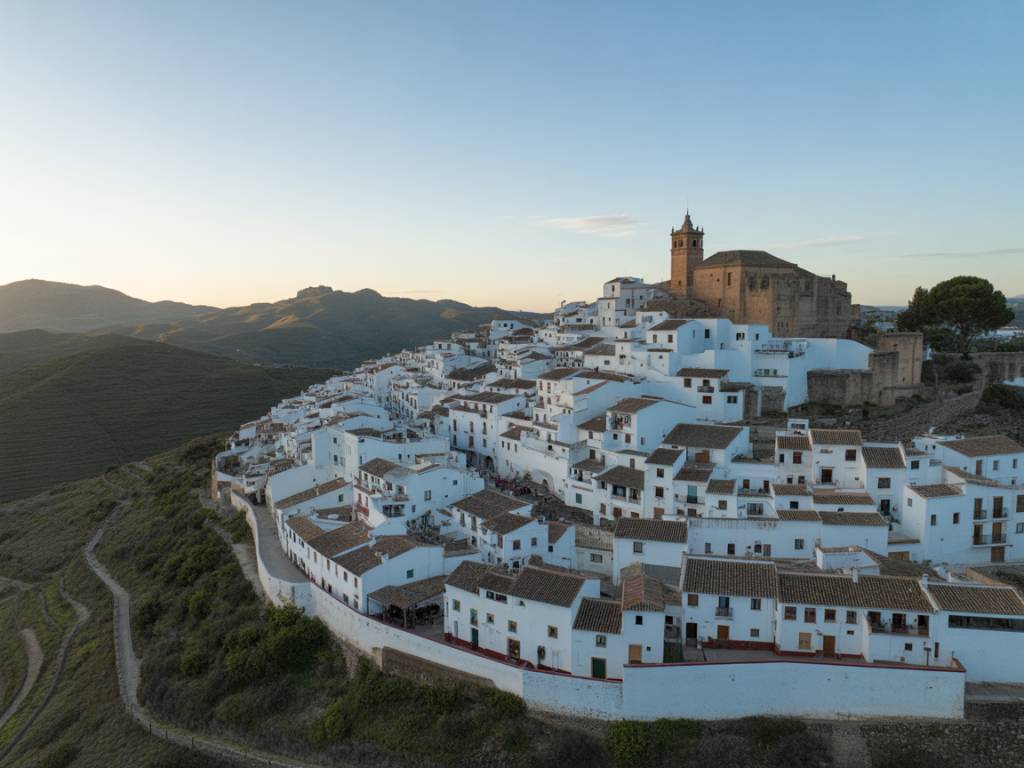
Discovering the Hilltop Villages of Andalusia
Perched on rocky outcrops and clinging to the slopes of rugged sierras, the hilltop villages of Andalusia offer one of the most atmospheric travel experiences in southern Europe. These “pueblos blancos” – white villages – form a constellation of whitewashed houses, terracotta roofs and winding alleys, framed by olive groves and dramatic mountain landscapes.
Travelling through them is less about ticking off famous sights and more about absorbing an entire way of life: slow mornings in sun-drenched plazas, the distant rhythm of flamenco guitar, and the scent of orange blossom and grilled sardines drifting through quiet streets. If you are looking for an authentic Spain itinerary far from the crowded Costa del Sol resorts, the hilltop villages of Andalusia are a compelling starting point.
What Makes Andalusia’s Hilltop Villages Unique
What sets these Andalusian villages apart is the combination of natural drama, Moorish heritage and deeply rooted traditions. The houses are almost always whitewashed, a custom dating back centuries to reflect the fierce summer sun and, historically, to help disinfect and protect walls using lime. Narrow, twisting streets reveal a city plan inherited from Al-Andalus, the Muslim-ruled Iberia that left an enduring imprint on southern Spain.
From a traveller’s perspective, several common features stand out:
Each village is different, yet they share an unmistakable Andalusian character – a mix of warmth, resilience and a certain everyday poetry in how people occupy their streets, balconies and public squares.
Ronda: Gateway to the White Villages
Although Ronda is larger than a typical hilltop village, it is the most common entry point to the Andalusian white villages route. Straddling a spectacular gorge, the town is cut in two by the deep El Tajo canyon, spanned by the monumental Puente Nuevo bridge.
Standing on the bridge at sunset, with swifts looping over the ravine and the sound of church bells rolling across the rooftops, you sense how geography has shaped life here. Ronda historically controlled access between the fertile valley below and the rugged Serranía de Ronda mountains above – and today, it serves a similar function for travellers exploring the region.
From Ronda, well-maintained roads snake out towards smaller hilltop villages, each climb revealing more switchbacks, more olive trees, and more unexpected views. Public buses run to some villages, but renting a car remains the most flexible way to discover them at your own pace.
Grazalema: White Walls in the Heart of the Sierra
Nestled in the Sierra de Grazalema Natural Park, the village of Grazalema is one of the most striking white villages in Andalusia. Surrounded by jagged limestone peaks and dense forests of Spanish fir, it feels both remote and welcoming. When I first arrived, early evening mist was spilling down the mountainsides, while the last sunlight hit the upper rows of white houses like a spotlight on a theatre set.
The main square, Plaza de España, is framed by a Baroque church and a handful of bars whose terraces quickly fill up with locals as afternoon turns into evening. Here, traditional life feels very much alive: neighbours discussing harvests and water levels, older men watching the world go by with small glasses of fino sherry, and hikers dropping in after day-long treks in the surrounding sierras.
Grazalema is particularly attractive for visitors who enjoy outdoor activities:
Weather here is more variable than on the coast – the Sierra de Grazalema is one of the rainiest areas in Spain – so bringing a light jacket even in spring and autumn is a wise idea.
Zahara de la Sierra: Fortress Above the Reservoir
Among all the hilltop villages of Andalusia, Zahara de la Sierra offers one of the most cinematic profiles. Approaching from Ronda, you see it from afar: a cluster of white houses rising sharply from the hillside, topped by a ruined Moorish castle and backed by the blue, almost turquoise waters of an artificial reservoir.
The village itself is small, with steep cobbled streets that quickly lead upwards towards the remains of the castle. The climb is short but intense, especially in summer, and good shoes are essential. Once at the top, the panorama is worth every step: olive groves arranged in geometric patterns, the shimmering Zahara-El Gastor reservoir and the darker silhouettes of distant sierras on the horizon.
Life in Zahara is quietly paced. A few family-run restaurants serve hearty local dishes – stews, grilled meats, seasonal vegetables – often accompanied by robust red wines from nearby Cádiz or Ronda wine regions. In the late afternoon, children play in the square while older residents sit in the shade, marking the passing of time in conversations as slow as the shifting light on the castle walls.
Setenil de las Bodegas: A Village Under the Rock
If most hilltop villages in Andalusia exist on top of the rock, Setenil de las Bodegas is literally built into it. The village follows the curves of a narrow river gorge, where houses and bars seem to disappear under enormous overhanging rock formations. In certain streets, like Calle Cuevas del Sol, you walk beneath stone ceilings created by nature, with white façades emerging just at the edge of the shadows.
This unusual architecture has practical benefits: the rock provides natural insulation, keeping interiors cool in summer and warmer in winter, which historically made Setenil a perfect place to store wine – hence the “de las Bodegas” (of the cellars) in its name. Today, the caves host tiny tapas bars, where you can sit almost under the rock and order simple, local dishes:
Setenil’s compact size makes it ideal for a half-day visit or a slow lunch stop between Ronda and other white villages. Arriving early helps you experience the quieter side of the village before day-trippers fill the café terraces.
Flamenco in the Villages: Beyond the Tourist Shows
Flamenco is often associated with Seville and larger Andalusian cities, where tablaos offer polished performances for visitors. But in the hilltop villages, flamenco remains closer to its roots: a community expression shared in intimate spaces, sometimes spontaneously.
In towns such as Arcos de la Frontera or smaller villages around Jerez, local peñas flamencas (flamenco clubs) host evenings where residents gather to listen to cante (song), toque (guitar) and baile (dance). The atmosphere is different from tourist shows: more relaxed, less choreographed, but emotionally intense. You might see:
If you are interested in flamenco, ask locally about peñas or small cultural associations. Often, events are advertised by simple posters on town hall noticeboards or by word of mouth in bars and cafés. These evenings offer a meaningful window into Andalusian culture, where music is less performance and more shared language.
Practical Tips for Visiting Andalusia’s Hilltop Villages
Exploring Andalusia’s villages perched on the sierras requires a slightly different mindset from a seaside holiday. Distances may appear short on the map, but mountain roads are winding and demand unhurried driving. Some practical points help make the experience smoother:
Travelling slowly through these villages allows you to notice the understated details: geraniums bright against whitewashed walls, the pattern of shadows cast by iron balconies, or the echo of footsteps on stone steps just after dawn. Beyond the viewpoints and photographs, it is this everyday rhythm that stays with you the longest after you leave the hilltops of Andalusia behind.